Research Areas
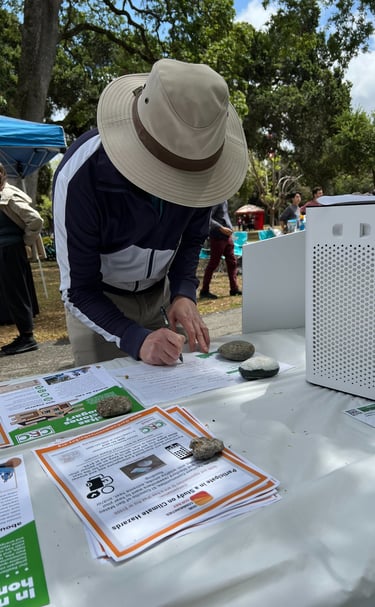
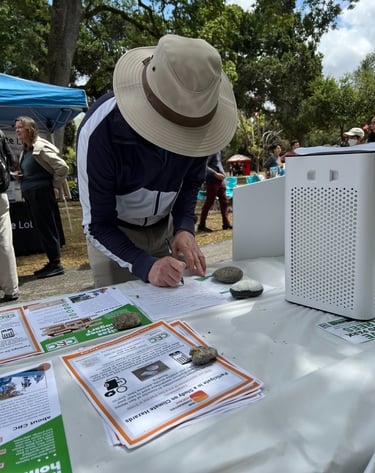
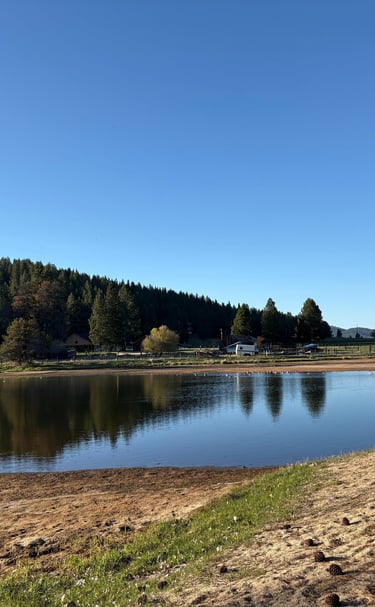
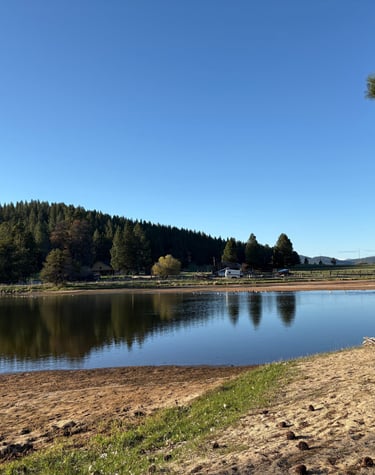
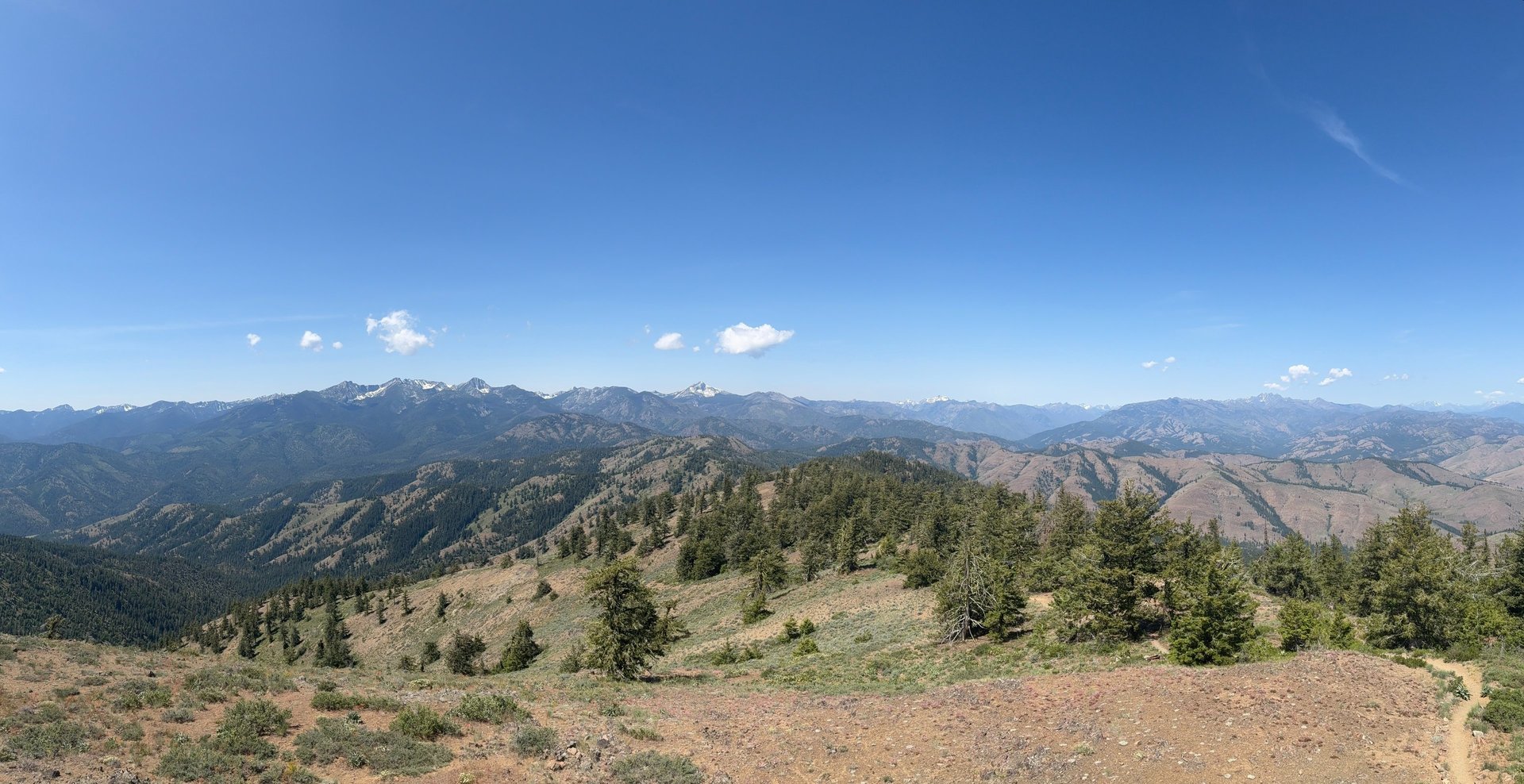
My research explores how communities prepare and respond to environmental hazards. I used mixed social science methods (primarily interviews and surveys) and draw from theoretical literature in social psychology, human-environment geography, and public health to inform my work. See highlights of ongoing projects focusing on complex wildfire hazards – namely fire, smoke, and heat – below.
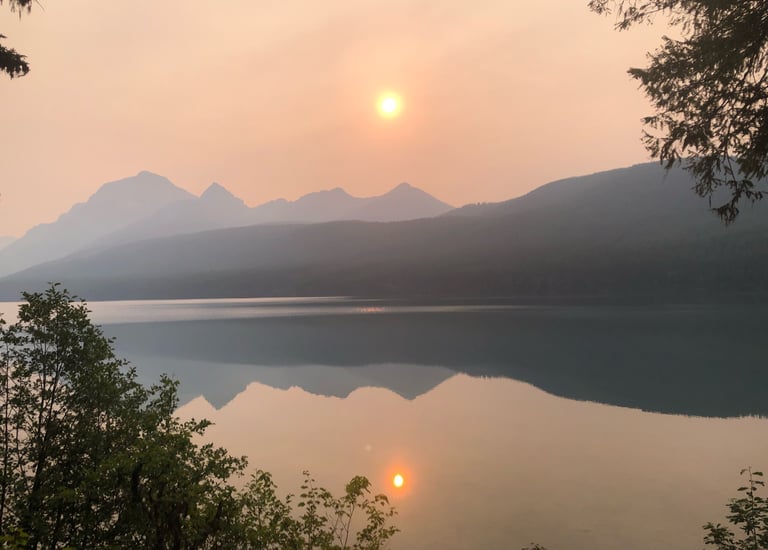
Responding to Extreme Wildfire Smoke Events
Using qualitative interviews to explore how rural residents and assistance providers experience, perceive, and protect themselves from wildfire smoke.


Compound Wildfire Hazards Mental Modeling
Developing decision-making tools that combine satellite data, public health information, and behavioral insights to help assistance providers protect vulnerable communities from compound wildfire hazards.


Transformative Adaptation for Tribal Environmental Health
Through interviews on the Tule River Indian Reservation, our co-produced research examines how understanding connections between people, place, and compounding hazards can reveal pathways from incremental to transformative climate adaptation in rural Tribal communities.
Behavioral Science Interventions for Protective Action
Using an experimental survey design to test the effectiveness of efficacy-focused messaging on wildfire smoke protective behaviors among rural residents in the US West.